Plaster Repair in Boston Massachusetts
Plaster Repair in Boston Masschusetts. Learn how to spot plaster wall damage, repair holes, and know when Boston homes need professional lath and plaster repair.
 ai image
Plaster Repair in Boston Masschusetts. Learn how to spot plaster wall damage, repair holes, and know when Boston homes need professional lath and plaster repair.
ai image
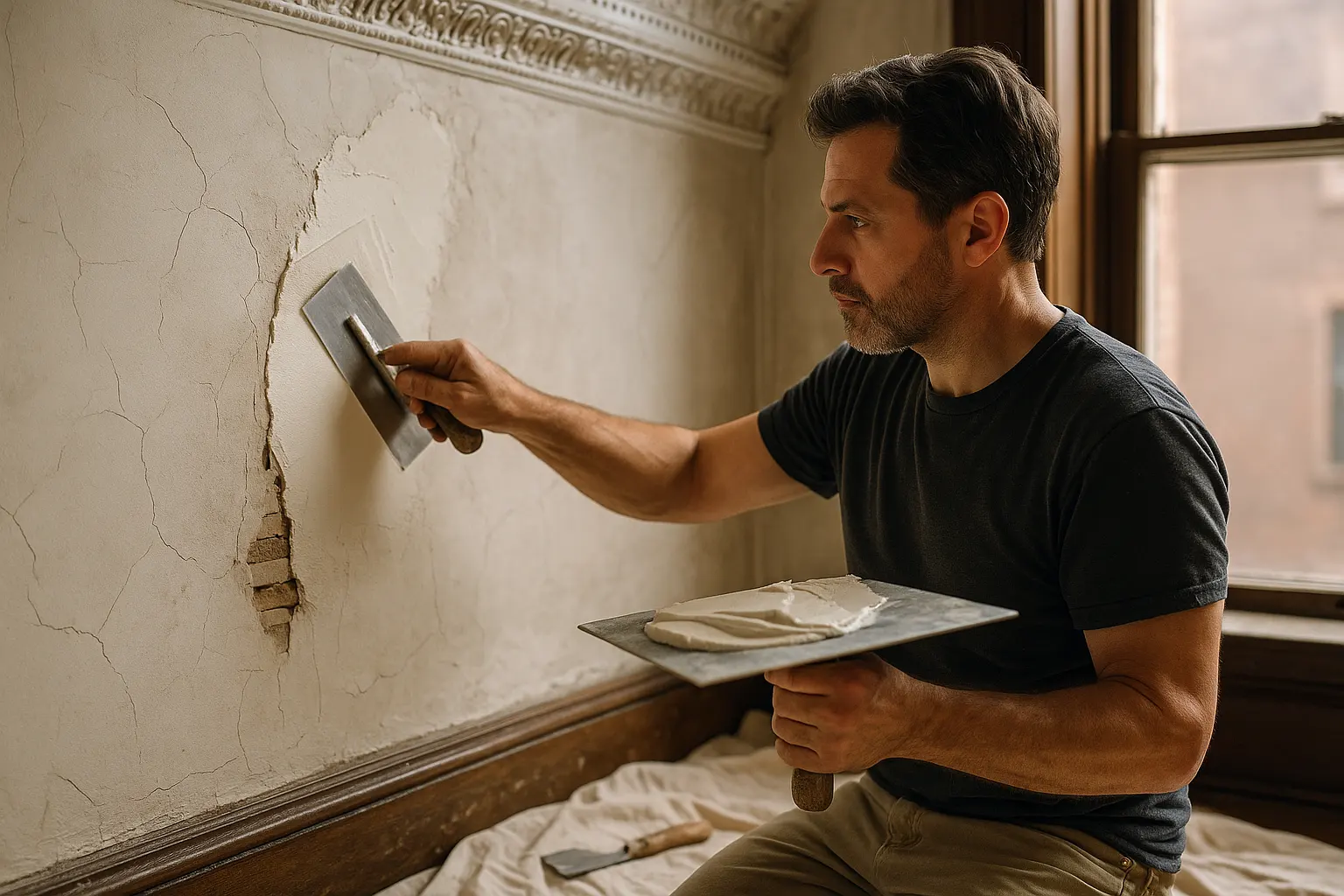
Boston’s older homes carry a distinct sense of character, with plaster walls often central to their appeal. Yet plaster cracks, loose plaster, missing plaster, water staining, and deteriorating lath can quickly transform a modest concern into a more involved plaster repair. From crack repair and repair holes to ceiling repair, the right approach depends on the house, the affected area, and the condition of the plaster base.
A skilled professional can assess whether to repair plaster or replace it with drywall, balancing the cost, scope of work, and long-term pros of each option. The process may call for plaster washers, adhesive, patching plaster, and the appropriate mix for every coat. With careful workmanship, they can restore a damaged plaster edge, achieve a smooth finish, and sand the repaired surface with precision for walls and ceiling surfaces built to last.
Boston homeowners can preserve the character and durability of historic plaster by addressing cracks, loose areas, water damage, and failed lath with the right diagnosis and materials. Repairs should stabilize the underlying wall or ceiling, not merely conceal damage, while matching original texture and detail. Prompt assessment is especially important for sagging or stained ceilings, and all moisture sources must be corrected before restoration begins.
 ai image
Boston’s older homes possess a character drywall cannot duplicate: substantial plaster walls, crisp original profiles, and finishes with genuine staying power. They also demand considered care. Settlement, seasonal movement, plumbing work, electrical updates, and everyday impacts can lead to plaster cracks, loose plaster, water staining, or missing plaster. At Boston Plaster Repair, we approach each plaster repair as restoration, not a shortcut to a merely smooth, flat surface.
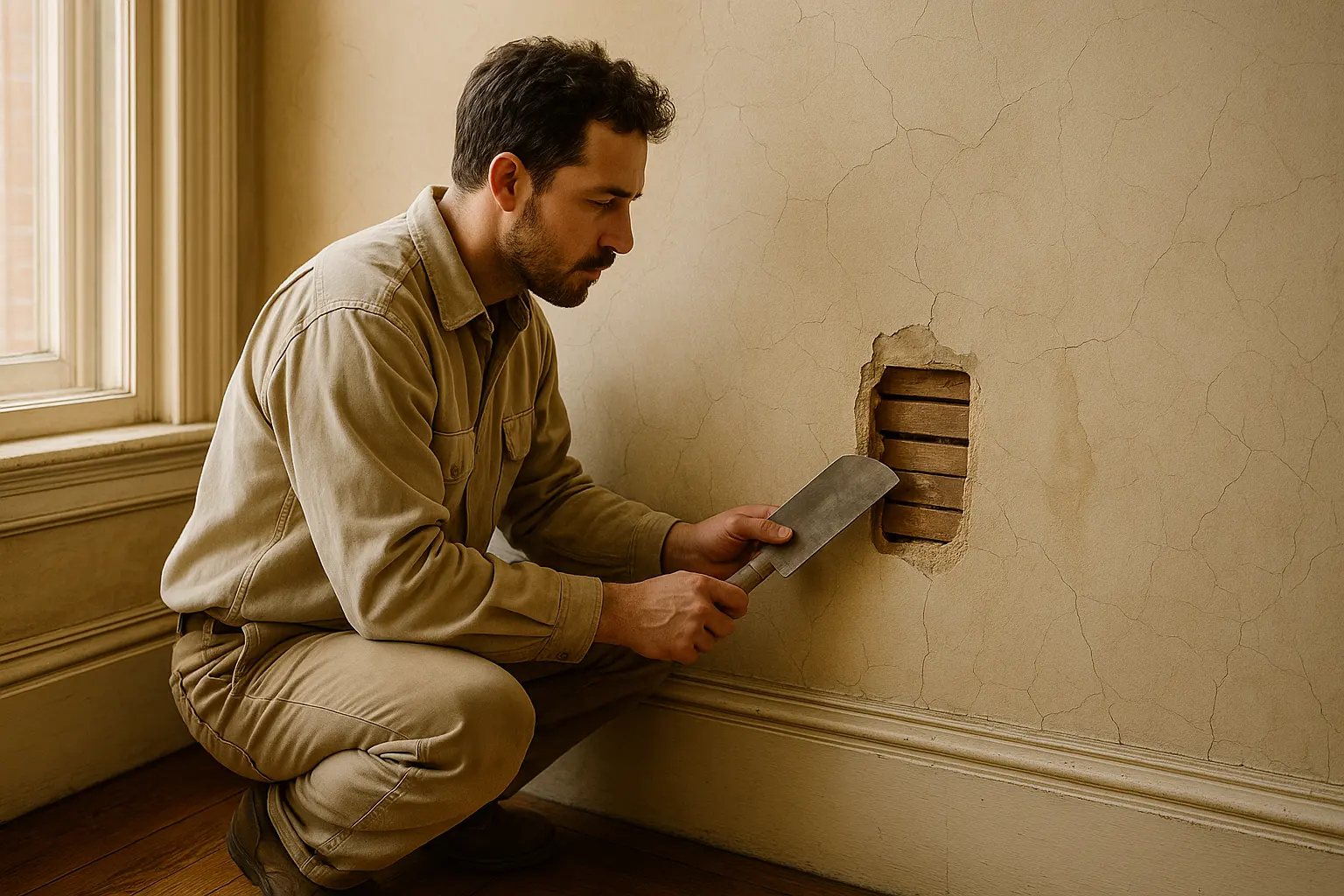
Enduring work begins with an exact diagnosis. A small crack repair may call for careful opening, reinforcement, adhesive, and a compatible finish coat. A hollow area can indicate that plaster has separated from the plaster base or lath. In some cases, plaster washers secure loose sections before repairs begin. Where material is missing, repair plaster is built up in layers using the appropriate mix, depth, and curing time. Patching plaster is more than filling a void; it requires a sound substrate, a clean plaster edge, and precise finishing before we sand and blend the repaired area.
We repair holes left by electricians, plumbers, and previous renovations, as well as damaged corners, ceiling damage, and wider areas affected by water. Ceiling repair demands the same attention to stable edges and proper support. Loose material is removed until the remaining plaster is secure, then the opening is prepared for new work. At transitions beside drywall, we account for differences in thickness and texture so the house reads as one continuous surface after painting, rather than revealing an obvious patch.
Our approach reflects the room, the condition of the plaster, and the expected cost of the work. A formal dining room with intact period detailing merits a different approach than a utility room or renovated kitchen. Our pros preserve sound original plaster, stabilize vulnerable sections, and replace only what cannot be saved. The result is quietly assured: plaster walls and ceilings that feel solid, look true in changing light, and retain the permanence that makes Boston homes distinctive.
ai image
Successful crack repair begins with a precise diagnosis. Throughout a house, plaster cracks, loose plaster, failed lath, and water damage can affect each area in distinct ways. For ceiling repair, pros may use plaster washers and adhesive to secure the plaster base before applying patching plaster. They can repair holes, replace missing plaster, and rebuild a damaged plaster edge with the proper sand and mix. Whether the surface is plaster walls or drywall, each coat should leave the repaired area smooth and seamless. The cost of plaster repair reflects the extent of the damage, but properly applied repair plaster safeguards both the finish and the structure behind it.
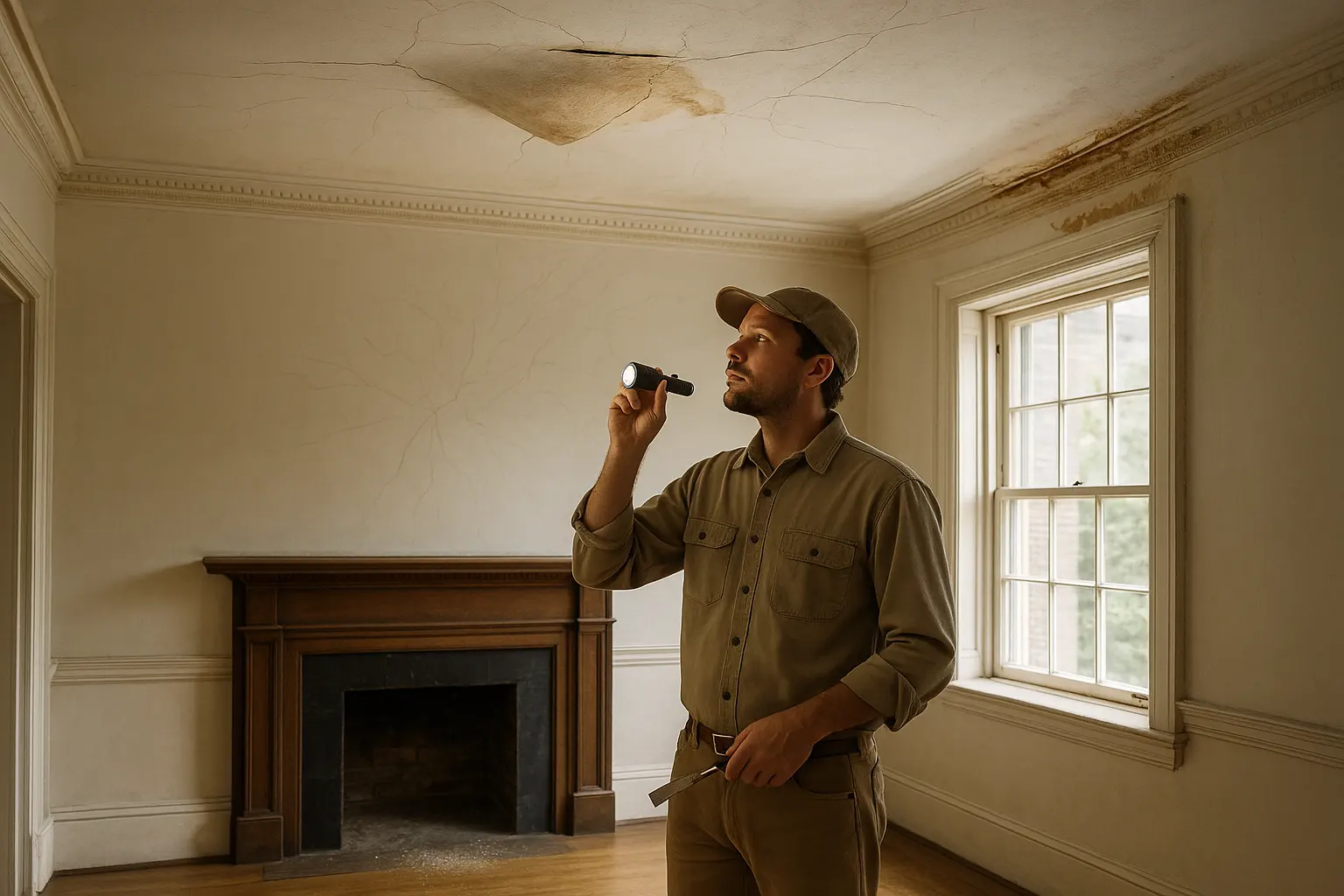
A loose plaster ceiling is more than a cosmetic concern. In many Boston homes, traditional plaster was applied over wood lath. Wet plaster was pressed through gaps in the lath, creating “keys” on the reverse side that hold the ceiling in place. Over time, normal building movement, vibration, previous repairs, and shifts in humidity can weaken those keys. Once enough fail, plaster may separate from the lath while appearing largely intact from below.
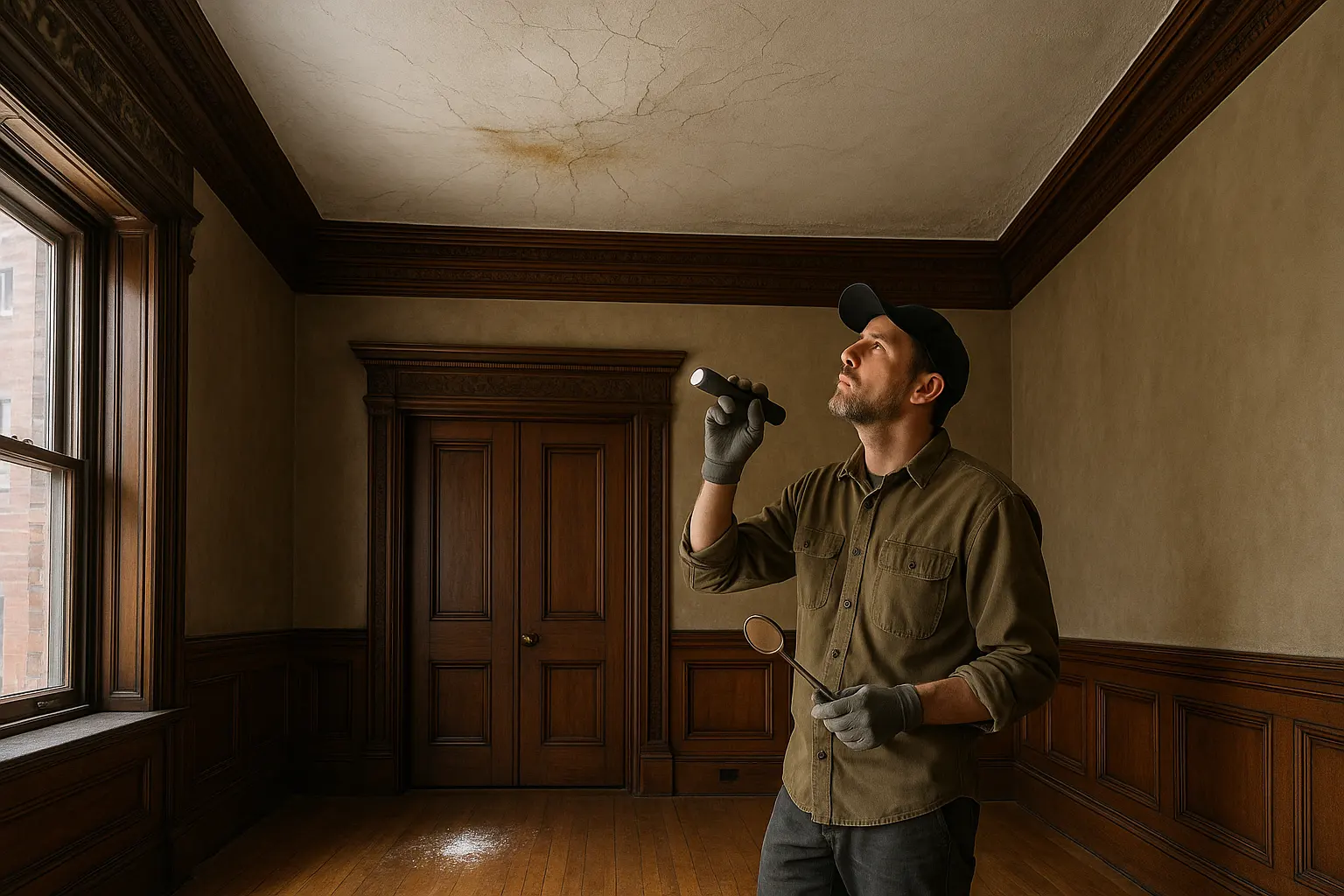
Know the early warning signs. Look for plaster cracks that spread, a bowed ceiling, a hollow sound when the surface is gently tapped, or fine plaster dust collecting below one area. Brown stains, bubbling paint, or softness around a crack can signal water and call for faster action. A roof leak, plumbing issue, ice dam, or condensation can add weight to old plaster and compromise the lath behind it. The water source must be corrected before ceiling repair begins; otherwise, even a carefully repaired surface may not endure.
We assess the ceiling as a complete system, not merely as a crack repair or a way to repair holes. We examine whether surrounding plaster remains sound, whether the lath is stable, and whether moisture or deterioration is present above. Small areas of separation can often be re-secured with plaster washers and compatible adhesive. We then apply patching plaster, refine the plaster edge, and sand the surface smooth. Larger repairs may require controlled removal of missing plaster, lath repair or replacement, and a new plaster base, base coat, and finish coat matched to the original mix. Unlike drywall, traditional plaster walls require materials and methods appropriate to the house.
Do not press upward on a sagging ceiling or drill into loose plaster without an assessment. It can release suddenly, particularly where water has weakened the assembly. Keep people and furnishings clear of the area, document any changes, and arrange a prompt inspection. Boston Plaster Repair provides clear guidance on repair plaster options, expected cost, and the work required to make the ceiling secure. Our pros preserve sound historic plaster wherever practical while delivering lasting plaster repair.
 ai image
| What you notice | What it may indicate | Recommended next step |
|---|---|---|
| Hairline cracks that lengthen or multiply | Possible movement or weakening of the plaster connection to the lath | Document changes and arrange a prompt ceiling inspection. |
| A ceiling area that appears slightly bowed or sagging | Possible separation of plaster from the wood lath | Keep people and furnishings clear of the area. Do not press upward or drill into the ceiling; arrange an assessment promptly. |
| A hollow sound when the ceiling is gently tapped | Possible loss of plaster keys or separation behind the surface | Have the area evaluated rather than attempting a surface-only repair. |
| Fine plaster dust below one area | Possible deterioration or movement within the ceiling assembly | Document the location and arrange a prompt inspection. |
| Brown staining, bubbling paint, or softness around a crack | Possible water-related damage from a roof leak, plumbing issue, ice dam, or condensation | Treat the condition with greater urgency, identify and correct the moisture source, and have the ceiling assessed before restoration. |
 ai image
The cost of plaster repair reflects far more than the length of a visible crack. Small plaster cracks in stable plaster walls may require only precise opening, reinforcement, and crack repair. Yet loose plaster, a sagging ceiling, damaged lath, or missing plaster can signal a more substantial concern within the plaster base. At Boston Plaster Repair, we examine the full surrounding area before recommending a scope of work, giving homeowners a clear sense of whether the project calls for a surface correction or a lasting repair for the wall or ceiling.
Experienced pros should describe the process with clarity and candor. Plaster is not drywall, nor should it be handled with drywall compound. To repair plaster properly, we may stabilize loose sections with adhesive and plaster washers, rebuild repair holes with patching plaster, and select the appropriate mix for the existing surface. Each repaired section is carefully shaped to align with the original plane, texture, and plaster edge. We sand only where necessary, preserving the character of the finish around windows, radiators, trim, and detailed ceiling repair work.
Water concerns must be resolved before a finish coat is applied. Whether the source is a roof leak, plumbing problem, condensation, or old staining, the water issue must be corrected first. Once the surface is dry and stable, we can remove compromised material, restore the substrate, and apply a smooth coat that disappears into the surrounding wall. The aim is not merely to conceal a crack or patch a hole, but to leave a sound, even surface ready for primer and paint, one that belongs to the house and performs beautifully over time.
Hairline cracks can be cosmetic, but cracks that widen, multiply, return after painting, or appear with a hollow sound may indicate movement or separation behind the surface. A professional assessment can determine whether the plaster is stable or needs reinforcement and repair.
Older Boston plaster is often installed over wood lath. Over time, plaster keys can weaken because of settling, vibration, humidity changes, previous work, or water exposure. When the keys fail, plaster may separate from the lath and become loose or sagging.
Often, yes. Localized separation may be stabilized with plaster washers and compatible adhesive, followed by patching and finish work. If the lath or plaster has extensive water damage or widespread failure, selective removal and rebuilding may be needed instead.
No. The roof leak, plumbing issue, condensation, or other moisture source should be corrected first. Once the area is dry and stable, damaged plaster and lath can be evaluated, repaired, and finished for a lasting result.
Yes. Proper plaster repair considers the original surface texture, wall plane, thickness, sand, finish coat, and nearby trim details. The goal is a patch that blends into the surrounding wall or ceiling after priming and painting.
Cost depends on the underlying condition, not just the visible crack or hole. Small stable cracks generally require less work than loose ceilings, failed lath, water-damaged areas, or repairs involving historic details. An inspection helps define the appropriate scope.
When original plaster is sound or can be stabilized, repair can preserve the solid feel, profiles, and character of an older home. Drywall may be appropriate in some severely damaged areas, but it can require careful transitions beside retained historic plaster.